
The Ubud Art Market, known locally as Pasar Seni Ubud, stands proudly as the commercial heartbeat, cultural showcase, and primary artisanal shopping destination in the center of Bali’s highlands. Strategically positioned directly opposite the historic Ubud Palace at the nexus of Jalan Raya Ubud and Jalan Monkey Forest, this bustling market complex has served as the central trade hub for the region’s creative villages for generations. Following a comprehensive modern structural renovation, the market features organized multi-story pavilions that house hundreds of individual local vendors. It serves as a vast, vibrant canvas where the exquisite craftsmanship of the surrounding regencies is brought directly to the global stage, offering an overwhelming variety of colors, textures, and handmade treasures.
The market operates under a fascinating dual identity that changes based on the time of day. In the early dawn hours, before the first tourist buses arrive, the site functions as a traditional Balinese morning market (Pasar Pagi). The stone walkways are piled high with fresh tropical fruits, vibrant green vegetables, aromatic spices, and bundles of colorful flowers used for daily temple offerings. As the morning sun climbs higher, around 9:00 AM, the fresh produce stalls quickly pack away, and the market transforms completely into the famous artisan bazaar. The narrow stalls overflow with iconic hand-woven round ata grass bags from Karangasem, delicate silk scarves, block-printed batik shirts, hand-carved teakwood kitchenware, and striking oil paintings created by local artists in the nearby creative enclaves.
Navigating the lively lanes of the Ubud Art Market is a deeply interactive cultural experience that requires a lighthearted, patient approach. The market relies entirely on the traditional system of friendly bargaining, where prices are negotiated through warm social interaction rather than fixed tags. Local vendors warmly welcome shoppers, often offering a steep discount to the very first customer of the day to secure good spiritual luck (penglaris) for their business. Walking through the crowded paths while discussing prices with local artisans offers an unparalleled window into the resilient entrepreneurial spirit, artistic passion, and daily community rhythms that define modern Balinese society.
The Ubud Art Market provides an unmatched, highly concentrated shopping environment to discover authentic Balinese souvenirs, traditional textiles, and home decor items. The primary offering is the massive variety of handmade goods gathered under one roof, making it exceptionally convenient to purchase high-quality local crafts while interacting directly with the vendors. The market features a central location, clean multi-story paths, and a high-energy atmosphere perfect for street photography.
Things to Do:
What to Avoid:
Suggestion to Improve: To help international travelers shop with more peace of mind, the market management could introduce dedicated zone directories or product category maps near the primary entrances. Ensuring clear pricing guidelines or average value markers for standard souvenir items would also reduce pricing confusion for first-time visitors.
The market is located right at the central intersection of Ubud town, directly across the street from Ubud Palace.
| Transportation Type | Pros | Cons |
|---|---|---|
| Walking (On Foot) | Easiest method; zero cost; completely avoids central Ubud’s heavy traffic jams and limited vehicle parking. | Only practical if your accommodation is located within the central town perimeter. |
| Personal Scooter Rental | Fast travel times; however, finding public parking spaces along the busy road can be tough during peak hours. | The central market basement scooter lot fills up rapidly by midday. |
| Private Driver / Taxi | Cool air-conditioned comfort; convenient drop-off right at the front central corner. | Highly vulnerable to long traffic gridlocks along the narrow roads entering central Ubud. |
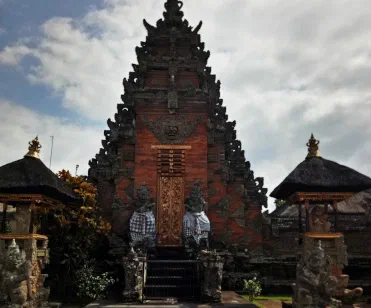
Taman Saraswati Temple, globally renowned as the Ubud Water Palace, …
Read More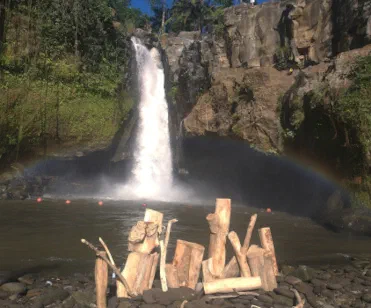
Tegenungan Waterfall stands as one of the most powerful, high-volume, and …
Read More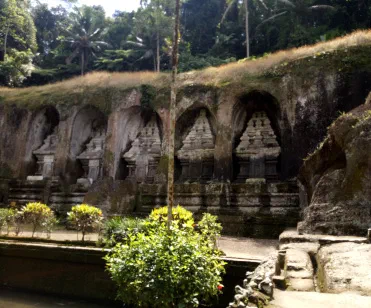
Gunung Kawi Temple stands as one of Bali’s most ancient, structurally …
Read More